Cabo San Lucas is a culture that seeps in around you, like the marina coming to life with every breakfast, the desert fading into the hills, and art and music walking hand in hand with the sea.
Early Cabo San Lucas was shaped by its unique natural formations and human settlement long before it became a renowned tourist destination. Misión San José del Cabo was founded in the 1730s and made significant contributions to the region’s colonial history, giving it deep historical significance.
If you’re looking for culture in Cabo San Lucas and you’re thinking ‘there’s more to life than just the beach’, then you’re already heading in the right direction. The goal isn’t to cram culture into one afternoon; it’s to notice the little things around you and choose a few genuine moments to call your own.
What “Culture” really means in Cabo San Lucas
Cabo San Lucas became a permanent settlement on the Baja Peninsula after the arrival of the Spanish, and its culture blends coastal Baja living, modern tourism, and everyday local traditions, evident in its marina, streets, food, and nightlife. Its identity is rooted in indigenous heritage and colonial history, giving the city a lasting cultural depth, reflected in details like its brightly painted Spanish colonial architecture.
The city operates on two levels: a vibrant, visitor-facing side and a quieter local rhythm beneath it. To truly understand Cabo, you need to experience both. Culture here isn’t just found in major events, but in daily routines, lived traditions, and the way neighborhoods come alive after dark.
Cabo San Lucas vs. San Jose del Cabo (same region, different vibe)

Cabo San Lucas and San José del Cabo are both part of the Los Cabos region, which is known for its dynamic cultural scene.
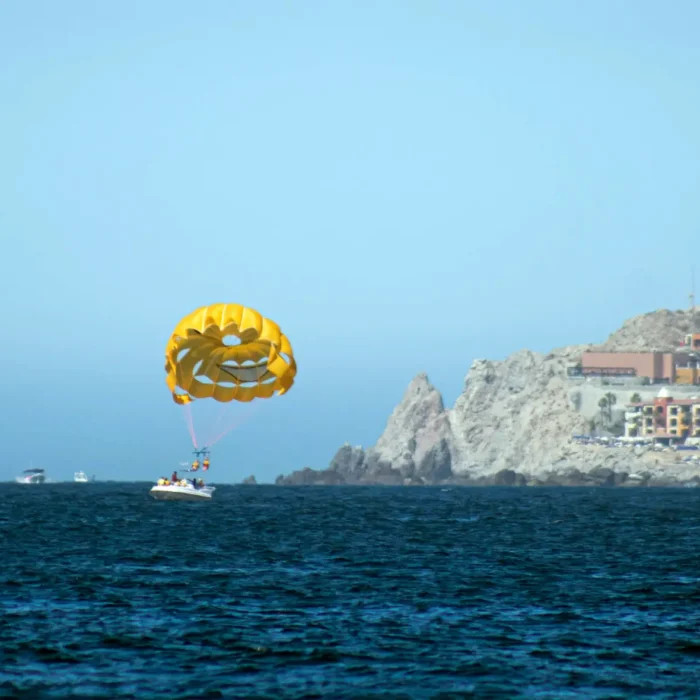
Cabo San Lucas has an ocean-forward, high-energy vibe, defined by the marina and downtown, so even just taking a casual stroll can give you a taste of the daily pulse of a bustling resort town.
San José del Cabo, about half an hour away, has a more artsy, strollable feel. It’s famous for galleries, a historic centre, and evenings that are all about slowing down rather than rushing. The local church, located near the art galleries in the historic centre, stands out as a significant cultural and historic landmark. Its lively Arts District is a magnet for art lovers and anyone who wants to soak up the culture.
You don’t have to pick one or the other. A smart cultural plan is to mix them up, Cabo in the morning, San José in the evening, or vice versa.
The in-between moments most visitors miss
Cabo’s culture is at its strongest in the in-between hours. When the heat drops, people go out. Families, couples, friends. Plazas and sidewalks start to hum as the town comes to life. The important role of family in Los Cabos culture is evident, as family relationships and traditions shape daily life and contribute to the community’s cultural identity.
Mornings tell a different story. Near the marina, the early coffee spots show you Cabo in transition, from tourist destination to working town. Watching that change is part of getting the place.
To lean into it, slow your own schedule down. Give yourself space before dinner. Take a short walk without a plan. Cabo San Lucas is characterized by locals gathering in downtown plazas and maintaining traditions like evening strolls (paseos). Use food as your cultural guide.
Eat like you’re in Baja.
Cabo San Lucas has transformed into a renowned fishing location and a sought-after tourist destination over time. Baja cuisine is coastal, fresh, and seasonal, shaped by the nearby Sea of Cortez, often called the “World’s Aquarium.” Eating this way connects you directly to the region.
Start by asking what seafood is fresh and let that guide your choices. Staples like fish tacos, ceviche, shrimp tacos, aguachile, and chocolate clams (when in season) reflect the local identity, while Zarandeado fish, a delicious grilled fish with a mixture of spices, is another must-try dish in Cabo San Lucas. Local food and taco tours in Cabo include sampling regional specialties such as Baja-style fish tacos and birria during guided walks.
The festivals and cultural events not to miss
Cabo San Lucas is home to a big number of festivals that celebrate Mexican traditions, but its calendar shifts throughout the year, making flexibility key when planning. Festivals rooted in Mexican traditions fill the year, bringing music, food, and community energy to both locals and visitors.
Family traditions in Los Cabos are a legacy passed down from generation to generation. Major highlights include the Cabo San Lucas Festival in mid-October, with parades, music, and traditional dances, and early November’s Day of the Dead celebrations, where altars, marigolds, and sugar skulls transform public spaces like Plaza Amelia Wilkes.
March brings the traditional festival in San José del Cabo, centered on local food and music, while January’s Gray Whale Festival connects culture with the region’s coastal wildlife. The Harvest Festival celebrates the grape harvest in the wine region, combining wine tastings with local music and cuisine.
November also features the Los Cabos International Film Festival, highlighting regional cinema, and the Gastrovino Festival, an annual food and wine festival showcasing local olive oil and Baja wines.
Beyond festivals, places like the Casa de la Cultura offer insight into local creativity and heritage through exhibitions and community programming.
To experience it all, plan a flexible “culture night” during your trip, an open evening to catch a film, listen to live music, or follow whatever local event draws your attention. Checking details closer to arrival helps you tap into the most current and authentic experiences.
Where to shop like a real Cabo local: the markets and artisan finds
If you want to get a feel for Los Cabos culture, you need to spend some time in places where daily life and creativity collide. Los Cabos is home to various artisan shops where visitors can purchase handmade crafts that reflect the region’s cultural identity, we’re talking the markets, the artisan shops, and the public spaces. This isn’t just about shopping; it’s about connecting with the local art scene, supporting the people making it happen, and keeping traditions alive.
Let’s start at the marina in Cabo San Lucas, just walking around here becomes part of the experience. You can browse through handmade jewelry, textiles, and traditional clothing, and get some serious insight into the stories and ideas behind each piece. Take your time, and you’ll end up making a purchase that’s a lot more than just a souvenir.
While you’re in the marina, stop by the historic Misión San José del Cabo and the nearby plaza. These places are great for getting a more peaceful look at the region’s heritage. You can sit back, listen to some live music, and just watch the world go by.
As you spend more time in Cabo San Lucas and beyond, you start to realize that culture isn’t something you see staged and packaged; it’s something that’s lived and breathed every day. You’ll find it in the markets, the galleries, the plazas, heck, even in the food you eat. Every visit is an opportunity to connect with the people here, support the local community, and get a feel for the rhythm of Baja California Sur in a real way.
The heart of Cabo: Community and family ties that shape the city
In Los Cabos, the family is at the heart of society. Cabo San Lucas is characterized by a lifestyle where locals gather in downtown plazas and maintain traditions like evening strolls (paseos).
The San José Art Walk occurs every Thursday evening from November through June, showcasing local galleries and live music, offering a chance to meet local creators, explore creative spaces, and take part in the region’s cultural energy. Across the area, museums like The Museum of Natural History in Cabo San Lucas highlight the area’s geology, indigenous roots, and maritime history, and exhibitions add depth, showcasing both contemporary expression and historical roots.
At its heart, Cabo’s culture is about its people. A diverse and open community makes it easy to feel at home, and supporting local businesses, food, and events becomes a direct way to connect. Beyond the city, places like Miraflores and the Sea of Cortez offer further opportunities to experience artisan traditions and natural beauty.
Whether through a walk in the plaza, time by the marina, or a shared meal, Cabo invites you to slow down and engage. Its culture lives in these simple moments, leaving a lasting impression that draws people back.
One culture-rich day trip that shows you a different side of Cabo
If you’ve got half a day to spare, you could do a whole lot worse than taking a trip out to Todos Santos. It’s like a different chapter in the Baja story, slower, more art-oriented, and with a real attention to detail.
Alternatively, you could try a day trip to Miraflores, a small town that’s got a ton of local charm, some amazing artisan shops, and a traditional leather tannery. Guided tours can help you get a deeper feel for the region’s cultural heritage and the artisan traditions that are alive and well there.
Keep it simple, just take a stroll, visit one or two galleries, grab a cup of coffee, have a great meal, and then head back as the light changes. Sometimes, the simplest experiences are the ones that leave the biggest impression.
Culture from the water’s edge
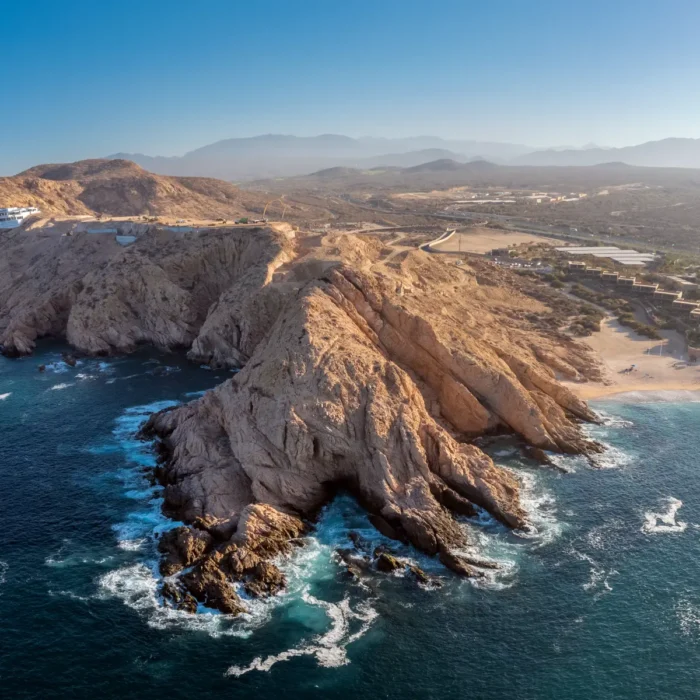
Los Cabos is a place where the desert and the ocean meet, and that has had a huge impact on the region’s culture and identity. The nearby Sea of Cortez is a real treasure trove of marine life, and you can feel the maritime spirit in the air.
If you want a quieter cultural experience, try spending some time out on the water, whether it’s on a boat or a catamaran. It’s a great way to slow down and get a different perspective on Cabo. The Gray Whale Festival in January is a big highlight, and you can get a real feel for the connection between the region’s wildlife and its traditions. Even just taking a calm moment out on the water can be a real game-changer.