Cabo Pulmo’s coral reefs are renowned for their ecological significance, supporting an incredible diversity of marine life and serving as a model for successful community-led conservation. Recognized as a UNESCO World Heritage Site, Cabo Pulmo is often referred to as “The Aquarium of the World” due to its rich marine life and large schools of fish. It is also known for offering some of the best snorkeling in North America.
You can visit Cabo Pulmo as a day trip from Los Cabos or as a short, low key escape where your days revolve around the sea. The crystal clear waters of Cabo Pulmo are ideal for snorkeling and diving, providing exceptional visibility to appreciate its vibrant marine ecosystems. It fits naturally into an itinerary that mixes time in Cabo San Lucas with a more remote, nature first adventure.
Quick answer: what is the Cabo Pulmo National Park and why travelers go
Cabo Pulmo is a tiny village and National Marine Park on the Sea of Cortez, along the East Cape of Baja California Sur. It is a designated marine reserve, recognized for its ecological importance and successful conservation outcomes.
Travelers come here for one main reason: a rare living hard coral reef in a region where most coastlines are rocky or sandy, with dense marine life and strict rules that keep it that way. Cabo Pulmo National Park spans over 71 square kilometers of marine habitats and is home to over 800 species of marine life, providing habitat for many species and highlighting its exceptional biodiversity. Most visitors arrive from Los Cabos for snorkel or dive outings that put reef health ahead of crowds.
Because protections are real, rules inside the park are non negotiable. Only licensed boats can operate, group sizes and routes are controlled, and you do not feed fish, touch coral, or chase turtles and rays. The reef’s comeback is the result of those limits, so every visit is designed around protecting that success.
Where exactly is the Cabo Pulmo National Park

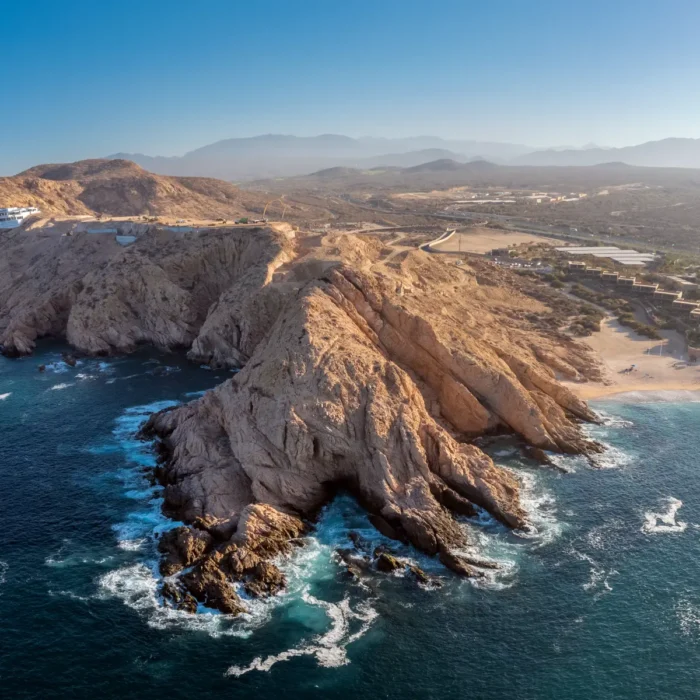
On the map, Cabo Pulmo sits on the opposite side of Mexico’s Baja California Peninsula from Cabo San Lucas. Cabo faces the Pacific and the southern tip of the Sea of Cortez, with resorts clustered along the Tourist Corridor, while Cabo Pulmo lies to the northeast on the quieter East Cape directly on the Sea of Cortez.
From Cabo, most travelers drive north toward San Jose del Cabo, then follow Highway 1 before turning off toward the coast. Along the way, you will pass through ‘la ribera’, a notable landmark on the route. Depending on traffic, road conditions, and where you start, the drive usually takes between one and a half and two and a half hours. Cabo Pulmo is located approximately two hours from both Cabo and San José del Cabo. The last stretch brings you onto smaller roads where the pace slows and cell signal can fade.
How to get to Cabo Pulmo from Los Cabos
The most common route is to drive along Highway 1 from San Jose del Cabo, then turn toward the coast on a signed road that leads to the village. This option combines paved highway with smaller, sometimes rougher sections. Travel time depends on road works and recent weather, so it is wise to allow a buffer instead of planning a tight schedule.
There is also a coastal road along the East Cape that some maps still show. Parts of it can be unpaved, uneven, or affected by storms, so it is less comfortable for standard rental cars and not ideal if you are new to driving in the area. Unless you have local knowledge and the right vehicle, the inland highway route is usually the calmer choice.
Planning is essential, don’t forget Cabo Pulmo is a remote destination with limited cell service, and most businesses are cash only,
Why Cabo Pulmo became a marine conservation success story
For many years, local fishermen and families fished the reef heavily, leading to habitat destruction and the depletion of fish stocks. By the late twentieth century, the area had been depleted and big fish were rare. Coral was under pressure and biomass had dropped.
In the mid 1990s, after local residents realized their way of life was unsustainable due to dwindling marine life, the community of Cabo Pulmo successfully petitioned the Mexican government to establish it as a protected National Marine Park in 1995. Fishing was banned within its boundaries, and the local community agreed to cease commercial fishing and adopted a no-take zone policy to allow the reef to recover. Community members organized patrols and informed newcomers about regulations inside the Park.
Local communities shifted toward guiding visitors instead of catching fish. Over the following decades, scientists documented a remarkable recovery in fish biomass and the return of large species that had almost disappeared. The establishment of Cabo Pulmo National Park has led to a 460% increase in total fish biomass within the park.
That recovery turned Cabo Pulmo into a reference point for marine conservation worldwide. The success of its conservation efforts is attributed to strong community involvement and leadership. For visitors, it translates into clear rules that everyone must follow and a reef that still feels wild. The structure is simple: respect the limits, move gently, and enjoy the chance to see a system that had time to recover.
What makes the Cabo Pulmo National Park’s reef and marine life unique
Many travelers have snorkeled in warm water before, but Cabo Pulmo stands out as a true hard coral reef in a desert coast setting. Its coral reefs are estimated to be around 20,000 years old, making them among the oldest coral reefs in North America. Under the surface, you see coral heads and structures that provide shelter for countless fish, from tiny reef species to large schools that move like one shifting shape.
The coral reefs provide habitat for a diverse array of marine species, including whale sharks, manta rays, hammerhead sharks, bull sharks, and other endangered species that thrive in this protected environment. This is not an aquarium or a themed park. It is a living system that has been allowed to rebuild after heavy pressure.
The reef also forms part of the wider Gulf of California, often referred to as the Aquarium of the World due to its exceptional biodiversity. That means the exact mix of species can change from month to month and year to year, but the emphasis stays the same: you watch rather than touch.
When to visit Cabo Pulmo for snorkeling and diving
The best time to visit Cabo Pulmo for snorkeling and diving is from May to October. During this period the water is usually warmer and visibility can be higher, which makes long sessions on the surface or at depth more comfortable. These months are popular, so it pays to book well in advance.
Winter brings cooler water and sometimes lower visibility, but it can also deliver encounters with larger pelagic species that move through the area at certain times of year. If you are a certified diver who loves colder water and the idea of bigger animals, these trade offs may be worth it. If you feel the cold easily, you may prefer to time your visit so a thinner wetsuit is enough.
Spring and early summer can sit in between, with shifting patterns of wind and temperature. Whatever the month, flexibility helps. Talking with operators before you lock in dates gives you a realistic picture of recent conditions, rather than relying only on general descriptions.
What to do in Cabo Pulmo besides “go see the reef”
Once you arrive in Cabo Pulmo it becomes clear that almost everything revolves around the water. The park offers different activities such as snorkeling, scuba diving, kayaking, paddleboarding, and whale watching. Several local tour companies offer guided diving and snorkel tours, providing equipment and local expertise to enhance your experience.
There are no big resorts or malls here; your choices are simple and quietly restorative. Cabo Pulmo is known for its commitment to sustainable tourism, with eco-friendly accommodations that are often solar-powered and designed to minimize environmental impact. Get out on the reef, spend time in and around the village, and let the slower rhythm reset your pace.
Snorkeling: shallow reefs and easy entries
For many visitors, snorkeling is the most accessible way to meet Cabo Pulmo’s reef. A typical outing involves a licensed boat taking you to specific sites inside the marine park, where you slip into the water under the guidance of a local crew. They know the routes, the currents, and the best way to avoid putting pressure on coral.
If you are a confident swimmer, you can expect to float above shallow sections where fish gather in large schools. Less experienced swimmers can often join as well, as long as they are comfortable in a life vest and follow instructions closely. Some areas along the coast, such as small coves and beach entries, may also be used for guided snorkel sessions when conditions allow.
Diving: for certified divers and those ready for more depth
Cabo Pulmo has become a bucket list destination for certified divers who want to see a recovered reef in action underwater. Dive boats, led by experienced guides, usually head out in the morning and visit unique sites like ‘El Bajo’ and ‘Los Cantiles’, which showcase the area’s impressive biodiversity. Trips often include more than one site, with surface intervals between drops so you can rest and warm up.
Underwater, you may follow coral ridges, sandy channels, or the edges of deeper structures. Currents can be present, so operators tend to match sites and conditions to your experience level. If you are newer to diving, some centers offer courses or introductory experiences, but the same logic applies as on land: you dive within your limits and within the park’s rules.
Kayaking, beach time, and simply unplugging
Not every moment in Cabo Pulmo needs fins or a tank. Some operators offer guided kayaking along calmer stretches of the coast, so you can see the shoreline and reef from the surface without a motor. It is a quiet way to feel how close the desert and sea sit next to each other.
On land, beach time feels simpler than in Los Cabos. A few small restaurants, basic accommodations, and limited connectivity encourage you to put your phone away and watch the light change over the water. Nights can be dark enough for serious stargazing, which becomes its own kind of show.
Accommodations: Where to Stay in Cabo Pulmo and Nearby
For travelers seeking a true immersion in nature, staying within the boundaries of the national park is a unique opportunity. Options like eco-cabins and small guesthouses allow you to wake up steps from the Sea of Cortez, with the sounds of the sea and the desert as your backdrop. Many of these lodgings are run by members of the local community, ensuring your stay directly supports those who have helped protect this remarkable marine park.
If you prefer more amenities or are looking for a wider selection of restaurants and services, consider basing yourself in Cabo San Lucas or San José del Cabo. Both towns are within driving distance of Cabo Pulmo and offer everything from boutique hotels to full-service beach resorts. This can be a great option if you want to combine your reef adventure with the vibrant energy of Cabo or the laid-back charm of San José del Cabo.
Community Impact: How Conservation and Tourism Shape Local Life
The story of Cabo Pulmo National Park is as much about people as it is about the sea. With the support of the Mexican government and the guidance of the official park director, local families shifted from fishing to roles as guides, dive instructors, and hospitality staff. This transition has created new economic opportunities, allowing residents to share their knowledge of the park’s natural resources and marine biodiversity with visitors from around the world. The tourism industry now provides a sustainable alternative to fishing, helping to preserve the very ecosystem that draws travelers to this national park.
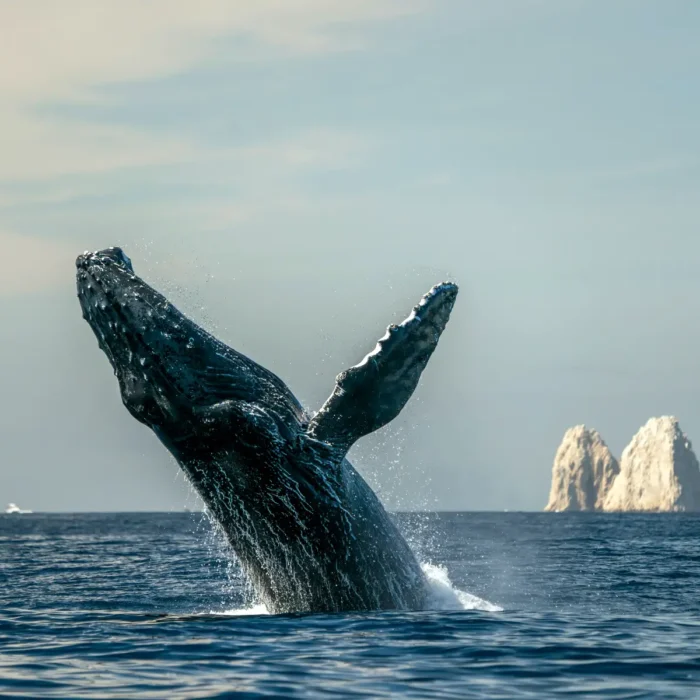
The results are visible beneath the waves: whale sharks, humpback whales, sea turtles, and even sharks have returned to the reefs, a testament to the park’s management plan and the dedication of the community. The increase in marine biodiversity has made Cabo Pulmo a model for marine conservation, attracting eco-tourists eager to experience its natural beauty and vibrant sea life.
Park rules and how to be a good guest
The reason the Cabo Pulmo National Park still feels wild is that protections here are real. As a visitor, you become part of that system the moment you step onto a boat or into the water.
Booking licensed local operators
The easiest way to support the park is to choose licensed local operators for snorkel and dive trips. These are the people who helped shift Cabo Pulmo from fishing grounds to a protected reef, and they have a direct stake in keeping it healthy. Licensed operators follow rules on group size, sites, and routes. They stick to designated moorings rather than dropping anchors onto coral, and they brief guests on what is and is not allowed. When you book with them, your money supports families in and around the village, not just third-party resellers based elsewhere.
No touching, no feeding, and sharing space with wildlife
Cabo Pulmo works because wildlife is allowed to behave like wildlife. That means a few simple rules that might feel stricter than in other places but make a big difference over time. You do not touch coral or stand on it to adjust your mask. You do not feed fish or toss food into the water to create artificial feeding frenzies. You give turtles, rays, and schooling fish space instead of chasing them for a closer photo. Think of yourself as visiting someone’s home without rearranging the furniture.
Also, all visitors are encouraged to use reef-safe sunscreen and respect park regulations to help preserve the environment.
Weather, wind, and why tours can be canceled
Because Cabo Pulmo sits on an open coast, wind and waves matter. If conditions are rough, boats may not be able to leave safely or visibility may drop enough that a trip no longer makes sense. In those cases, operators will often cancel or reschedule outings even if it is disappointing. Building a bit of flexibility into your plans helps. If you are staying overnight, consider leaving at least two mornings or afternoons open for water activities so a single windy spell does not ruin your only chance to see the reef.