Scuba diving in Cabo San Lucas is a real curveball. Not because it’s all about pushing the limits or getting your heart racing, but because it’s a whole different ball game from what you might be used to elsewhere. Two completely different bodies of water collide here, which creates a weird and wonderful set of conditions that can change in an instant, and not just on the surface either.
So, if you’re thinking about trying scuba diving in Cabo, then this is the place to come for a no-frills, down-to-earth look at what the whole experience is really like. Whether you’ve just got your certification or you’re a seasoned pro, knowing what you’re getting yourself into can make all the difference and make for a lot more fun.
What It’s Really Like Scuba Diving in Cabo San Lucas
Scuba diving in Cabo is largely about the geology. Cabo San Lucas is located at the southernmost tip of the Baja California peninsula, where the Pacific Ocean meets the Sea of Cortez, and that meeting point is what makes the whole experience so unique.
Some days it’s a breeze, with crystal-clear seas and visibility that just keeps going and going. Other days it’s a whole different story, stronger currents, colder water and more of a challenge. But that’s part of the fun, because Cabo isn’t an aquarium, it’s a real, living marine environment that changes with the seasons and the tides.
The underwater landscape is just as impressive as the above-water scenery. Rocky walls, ridges and volcanic formations dominate the landscape, especially near Land’s End. The Cabo San Lucas Marine Park is home to some of the most famous dive sites, Neptune’s Finger and Pelican Rock are just two of the most popular, and they’re famous for their incredible marine life. Sunlight filters down through the water, casting dramatic shadows and highlights on the sea floor.
Is Cabo a good place for beginners?
Absolutely, but with your wits about you. Cabo isn’t the place where every dive is a shallow, lazy affair, but it can be a great place to start as a beginner if you know what to expect and the conditions are right.
Most beginners start with a guided discovery dive, led by a certified instructor. The PADI Discover Scuba Diving program is a great way to get started, and you don’t need any prior certification to give it a go. These dives are all about getting comfortable in the water and taking things at a relaxed pace. The focus isn’t on pushing your limits, just on enjoying the experience.
One of the things beginners often appreciate most is just how methodical the whole process is. Clear briefings, manageable dive times and site selection based on the day’s conditions all come together to make for a relaxed and enjoyable experience. Just make sure to book with a reputable shop, and ask for a site that’s suitable for beginners, like Pelican Rock, for instance. No need to rush, no need to stress, just take your time and enjoy the ride.
Best scuba diving sites in Cabo San Lucas
Most of the really popular dive sites are clustered around Land’s End. From above, the rock formations are pretty dramatic. And it’s no surprise that they continue down into the water too, creating walls, arches and slopes that make for a really natural and enjoyable dive experience.
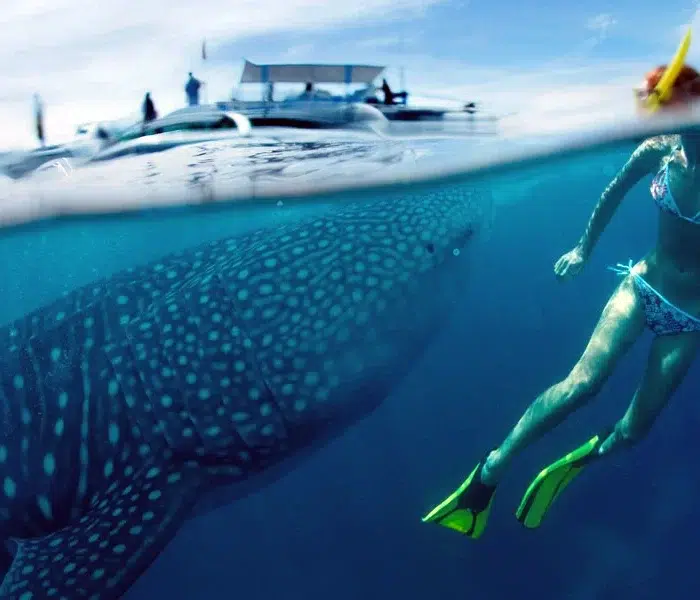
Some sites have steep drop-offs, ledges and corridors that are magnets for marine life. Gordo Banks, located 10 miles offshore from Los Cabos, is a popular dive site for pelagic species, including schools of hammerhead sharks. The Corridor, which is the area between Cabo San Lucas and San José del Cabo, is famous for encounters with big marine wildlife like mantas and whale sharks. And then there are the calmer sites, perfect for newer divers or days when the conditions aren’t ideal. It’s not so much about ticking boxes and doing the ‘right’ site, more about choosing a site that suits your experience level and the conditions on the day.
The best dives in Cabo aren’t about following a list; it’s about adapting to the conditions, the currents and the experience levels of the people in your group. And the great thing is that most local dive sites in the Cabo San Lucas Marine Park are within a 5-10 minute boat ride from the marina.
Featured Snippet
Scuba diving in Cabo San Lucas is all about the drama of the underwater rock formations, the seasonal marine life and the constantly changing conditions. Whether you’re a beginner or an experienced diver, one thing is for sure: flexibility is key if you want to get the most out of what Cabo has to offer.
Marine life you can see while scuba diving in Cabo
The thing about Cabo is that there’s always something new to see. The marine life here is seasonal and unpredictable, so you won’t see the same old species on every dive, and that’s part of the fun.
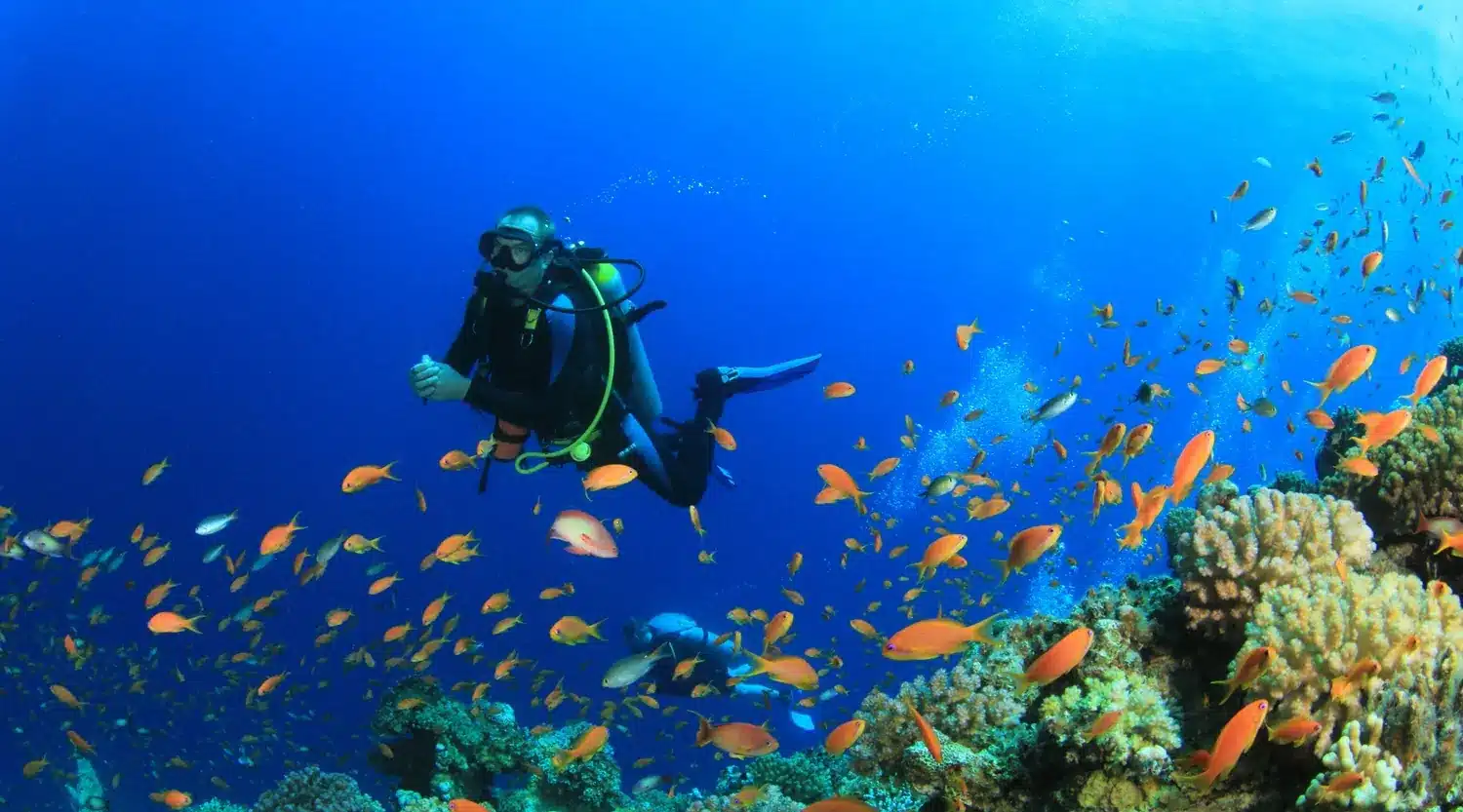
Divers commonly see reef fish, rays, eels and schooling species all along the rocky structures. The Cabo San Lucas area is home to over 900 species of fish and thousands of species of invertebrates. And at certain times of year, bigger pelagic animals pass through, drawn by the nutrient-rich waters. Cabo San Lucas is particularly famous for its stunning, nutrient-rich waters and vibrant marine life, think sharks, rays and sea lions. And then of course there are the humpback whales, which come to visit from December to April. And if you’re diving in late spring or late autumn, you might just catch a glimpse of the biggest migrations of mobula rays on the planet. And let’s not forget the resident sea lion colony at Land’s End, where the pups are always up for a friendly encounter with divers.
For Experienced Divers, That Unpredictability Sets Cabo Apart
For those who’ve spent time underwater, it’s the unpredictability of Cabo that keeps it so darn compelling. Even at places you know like the back of your hand, every dive feels like a new adventure.
The Best Time of Year to Dive in Cabo San Lucas
The best time to get in the water in Cabo is from December to May. To be honest, there’s no one-size-fits-all perfect time for scuba diving here; the warmer months are probably more comfortable for newbies, with warmer water and calmer seas making it easier to get started.
But the real peak season is from December to March, when the conditions are just about perfect, with crystal clear visibility and calm seas. The cooler months can be a bit tougher, with stronger currents and lower temperatures, but that also brings the chance to see some amazing, bigger marine life. As a certified diver, you’ll probably find these months the most exciting. There’s even a bit of a storm season here from June to November, with colder water and rougher seas. However, from October to December, the crowds die down a bit, and the prices come down a bit too, so it’s a great time to get out on the water if you want to avoid all the fuss.
One thing to keep in mind is that water temperatures in Cabo range from 20 to 29 degrees C, so if you’re planning on going deeper, a wetsuit is a must, even in the summer months.
Scuba vs Snorkelling in Cabo: the Lowdown
Now, scuba diving and snorkelling are two very different beasts, even though they both end up in the same waters. With snorkelling, you stay near the surface, soaking up all the colour and light without breaking a sweat. It’s easy, laid-back and great for socializing.
Scuba diving, on the other hand, is a whole different ball game. You dive down, explore all the hidden formations and spend as long as you like underwater. For those who like a bit of structure and focus in their diving, scuba’s the way to go.
A lot of people start with snorkelling and then try scuba out another day once they get a bit more confident in the water.
How to Plan a Relaxing Scuba Day in Cabo
You don’t have to be a scuba diving machine to have a great time in Cabo. It’s all about finding your own pace and enjoying the day. What matters most is comfort, a bit of shade, some room to breathe, staying hydrated and having some time to chill out.
Planning is always a good idea, though. Why not pair your scuba diving with a private boat trip? That way, you can take your time, soak up the scenery and get back in the water without feeling rushed.
Why Scuba Diving is the Perfect Fit for a Luxury Cabo Getaway
Scuba diving’s all about taking your time, being patient, and really focusing on what you’re doing. It’s exactly the kind of thing that draws people in who are looking for a slower pace in life. When you get to combine scuba diving with a private boat trip, the whole thing just feels seamless. For anyone who’s planning on chartering a catamaran with La Isla Tour, scuba diving becomes just another part of the day, not something that gets in the way.
Frequently Asked Questions
What kind of Sealife can you expect to see in Cabo when diving?
Diving in Cabo San Lucas offers encounters with various species of sharks, including bull, silky, mako, hammerhead, and white-tip sharks. Divers can also expect to see sea lions, turtles, giant schools of jacks and snapper, and various species of rays while diving in Cabo San Lucas.
Do You Need Certification to Scuba Dive in Cabo?
Yes, you’re going to need certification for the standard dives. If you’re new to scuba, though, don’t worry, you can take a discovery dive as a beginner.
What Types of Scuba Diving Tours Are There in Cabo San Lucas?
There are all sorts of tours to choose from in Cabo, from local 2-tank dives to trips out to Gordo Banks and night dives.
What Should I Know About Diving at Cabo Pulmo?
Cabo Pulmo National Park, established in 1995, is recognized as a UNESCO World Heritage site and is known for its thriving marine biodiversity.
What’s Included in the Blue Water Excursion?
The Blue Water Excursion is a half-day thing, all about swimming with sharks and includes some snacks and drinks along the way.
Is Pelican Rock a safe place for beginners?
Yes, Pelican Rock is a great spot for beginners; it’s a rocky reef with loads of fish.
Is the Water Cold When Scuba Diving in Cabo?
Water temperature varies by month. Some seasons feel warm, others require thicker wetsuits.
Is Scuba Diving Safe for Complete Beginners?
When the conditions are right, and you’ve got a certified guide, yes, it’s perfectly safe. Guidance and timing are key, though.