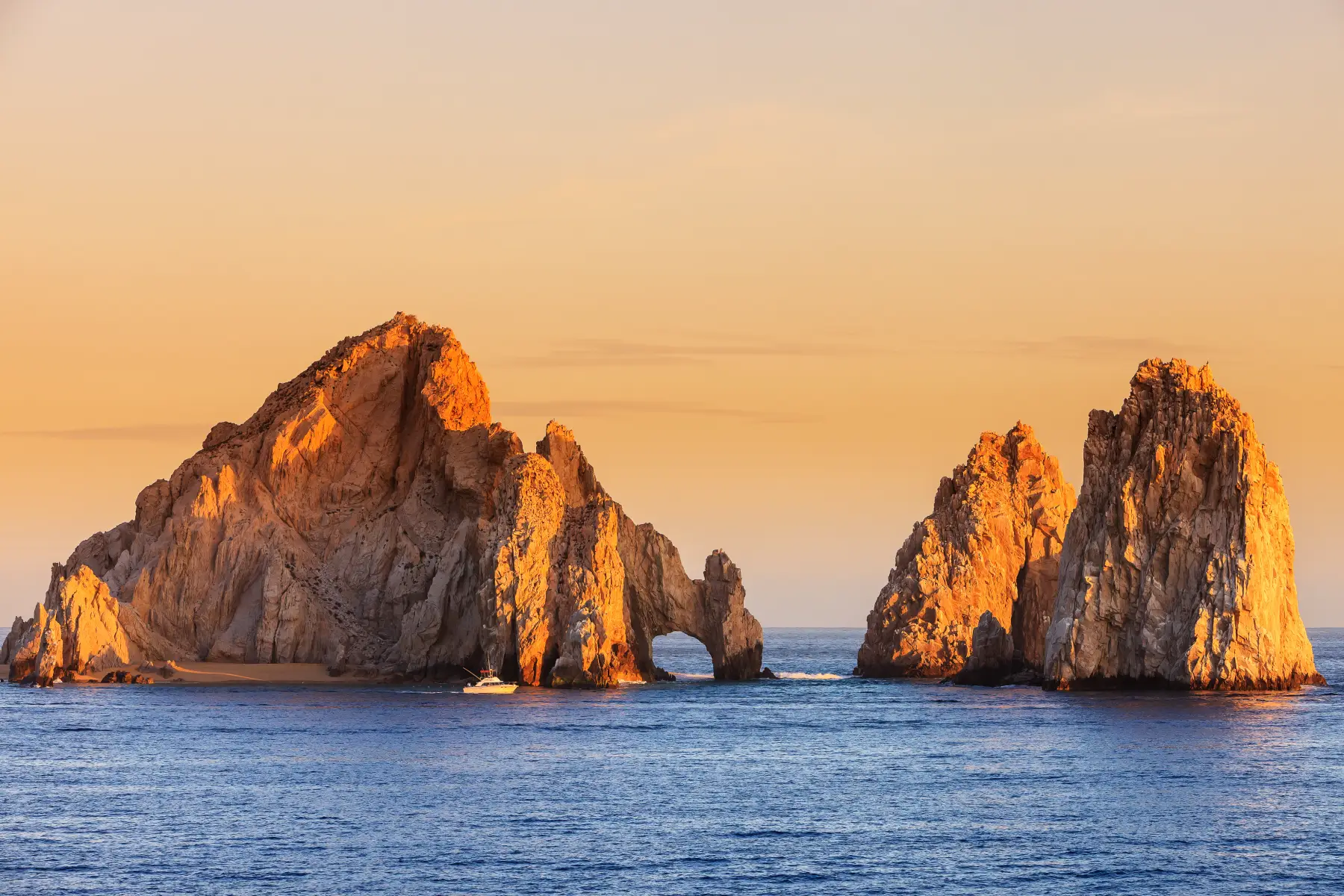
If you’ve been searching for “Cabo Arch destroyed”, you’ve probably come across some eye-popping stuff online. A disturbing clip or a sensational headline can spread fast, especially when it involves one of Mexico’s most photographed rock formations. El Arco at Cabo San Lucas formed over millions of years ago by erosion, so it’s natural that online rumors about it get out of hand; El Arco just tends to be a magnet for it.
But here’s the good news: you don’t have to get worked up about it. In just a few minutes, you can separate fact from fiction. Once you do, planning your trip will feel a whole lot easier, and your Los Cabos itinerary will stop feeling so stressful.
What’s the Cultural and tourist importance of the Arch of Cabo San Lucas?
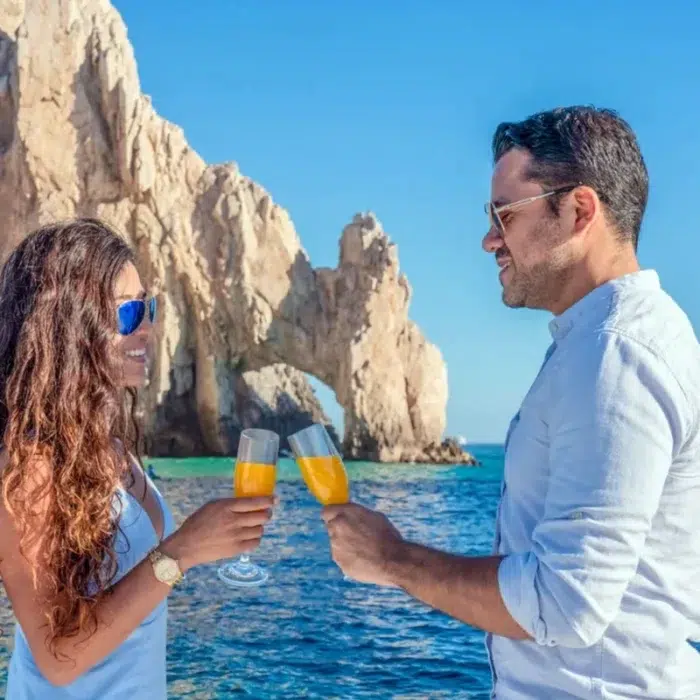
The Cabo Arch, known as El Arco, is a natural granite arch formed over millions of years through erosion by wind and water. The indigenous Pericú people considered the Arch a sacred portal to the divine. El Arco serves as a navigational landmark that early Spanish explorers referred to as “Land’s End” or “Finisterra.”
El Arco is a cultural and natural symbol of the region, representing its tourism and biodiversity, making it an exceptional place for whale watching and adventure tours.
Is the Cabo Arch Destroyed? The short answer
El Arco (AKA Arch of Cabo San Lucas) isn’t actually “destroyed” in the way those viral posts make it out to be. Most claims of “collapse” come from people misunderstanding, reusing old footage, or some pretty misleading editing. El Arco at Cabo San Lucas is a natural sea arch that gets carved out by the sea over time, so it does change gradually, but it’s still up and still a major landmark that thousands of people visit every day.
When people type “Cabo San Lucas arch destroyed”, they’re usually referring to one of three things. They’ve seen a dramatic video, they’ve heard it “collapsed after a storm”, or they’re worried they’ll turn up and the iconic view will have gone.
The internet’s got a funny way of describing “destroyed”. Sometimes it means a crack looked a bit bigger. Sometimes it means rougher Pacific Ocean waves that look intense. Sometimes it’s a fake clip that’s gone viral. In real life, El Arco’s appearance still looks like El Arco, just with a bit of context to it, like sea conditions, lighting, and how close boats can safely get on a particular day.
Why the ‘Cabo Arch collapsed’ Rumour Keeps Coming Back
The Arch is a perfect recipe for a bunch of misconceptions; it’s famous, easy to film, and the waves on the rougher Pacific Ocean side are constantly shaping it. Throw in a storm, and suddenly old footage gets recycled like it’s brand new.
Most travellers don’t have a clear idea of what the Arch “should” look like, so when it looks a little different, that difference can feel like proof that something went wrong.
Storms, Changing Light, and Tides Can Make El Arco Look Different
In Cabo, the ocean and sky do a lot of the work when it comes to how the rock looks. A calm morning can make the rock look super crisp and clean, while a gusty afternoon can add spray and shadows that make the opening look narrower or darker. It’s the same rock, just in different conditions.
Tides and swell matter too. When the water’s high, there’s more surge around the base of the rock, while when it’s low, you can see more rock and sand. To someone watching a short clip, it can feel like the whole landscape has changed overnight, even when it hasn’t.
Golden hour adds another layer to the visual mix. At sunrise or sunset, the contrast sharpens, and the shapes look deeper. It’s a beautiful, but unfamiliar sight, especially when you compare it to midday photos side by side.
The Internet Loves A Good Sensational Headline
Even when the Arch looks normal in person, a short clip can be edited to look like the sky is falling. You’ve probably seen the pattern before: no date, no context, no wide shot. Just a caption screaming “BREAKING”.
If you want to get a grip on what you’re seeing, keep an eye out for red flags. Missing timestamps are a big one, as are tight shots that never show any nearby landmarks, or accounts that post “disaster travel” clips from all over the place.
Not every dramatic video is fake, but a lot of them are misleading. If a clip makes you panic, it’s often because that’s what the person uploading it wants.
What Can Really Happen To A Sea Arch Over Time
El Arco is a natural wonder that’s been shaped by wind, salt, waves, and time, so it’s always changing on a geological scale. That doesn’t mean it’s going to suddenly collapse.
Natural erosion is a primary threat to the stability of El Arco, despite rumors of its destruction, so small bits may fall off without changing the overall shape of the distinctive rock formation. Sometimes a piece will break off from a less visible bit after a rough patch of weather, and most people would never even notice.
“Small change” vs “collapse”, What Travellers Usually Mean
People use “collapse” as a catch-all term, but there’s a big difference. Edgy bits get worn off, or rock falls can happen without altering the silhouette. But if the rock’s actually collapsing, that means the shape has changed completely.
Most viral posts jump straight to the last definition because it’s the most dramatic thing to say. In reality, “something fell” doesn’t mean the whole landmark has been lost. Minor changes don’t equal major loss.
Why There’s No Reliable “Collapse Date”
There’s no single date you can point to as the moment the Arch “collapsed” because it’s hard to define what “collapse” actually means in this context. You’ll sometimes see sensational headlines hinting at timelines for the Arch, like “it could collapse soon”. That’s not very helpful for your travel plans, because geology, at its very core, is not something that runs on human schedules.
Weather, wave energy, and long-term erosion are all important factors in studying the area, but when it comes to planning a trip to Baja California Sur, the bottom line is simple: don’t plan your trip around fear, plan around what you want from the experience.
If you’re already heading to Cabo, treat the Arch the same as any other ocean-facing attraction. Just be flexible about your timing and prepared for safety-first decisions and conditions that you’re comfortable with.
Where El Arco is and why location matters
El Arco is located on the tip of Land’s End, where the Pacific Ocean and the Sea of Cortez come together. This unique spot is where all the magic happens. Two bodies of water meeting can create some intense conditions, which in turn means some pretty dramatic scenery and variable access to the area.
It’s not just trivia, it’s a key reason why one nearby beach might be calm as can be, while another is a wild ride. It’s also why your boat access can change from day to day.
Lover’s Beach and Divorce Beach: two sides of the same coin
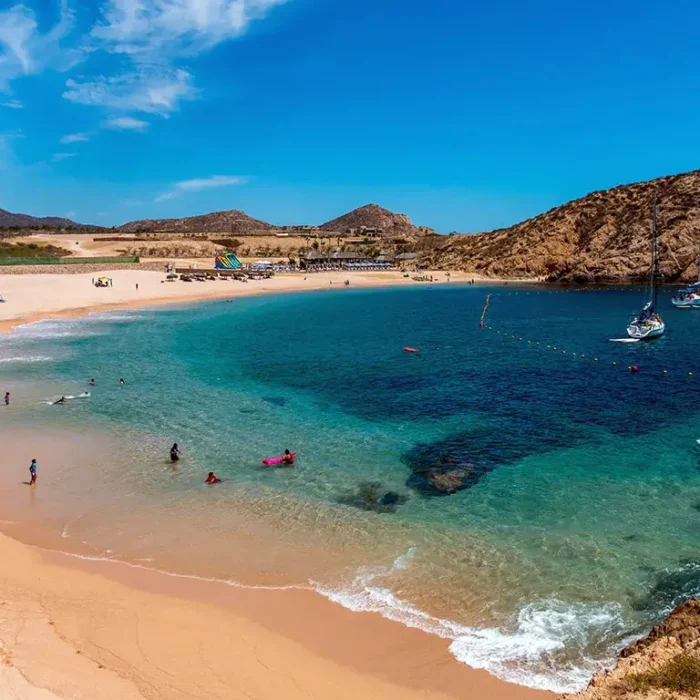
When people talk about the beaches near the Arch, you often hear the names Lover’s Beach (Playa del Amor) and Divorce Beach (Playa del Divorcio). Lover’s Beach is found in the calmer waters, where swimming and snorkeling are sometimes possible, but conditions still very much matter. It’s a much gentler environment than you’ll find at Divorce Beach.
Divorce Beach, on the other hand, faces the Pacific Ocean. The waves and currents are stronger there, and do not mess around; take all warnings seriously. It’s a truly stunning beach, but it can also be treacherous.
When people argue over whether the area is “safe”, they’re usually talking about different sides of the same place.
Sea lions at El Arco and how to be a respectful visitor
El Arco is also a popular spot for sea lions, and it’s just one of those magical moments in Cabo that will leave you feeling a little awestruck.
When you see the sea lions up close, don’t crowd them, don’t shout, and don’t try to get the closest possible photo shot; that will just stress them out. A good rule of thumb is to just keep a safe distance. If your presence starts changing the animal’s behavior, then you’re too close.
Some quiet moments are exactly what you need to make those memories and get some amazing photos.
The best way to see the Cabo Arch, right now
If something like “cabo arch destroyed” has got you into a bit of a spin, then here’s the lowdown: you don’t have to rush, you get to choose how you want to experience it.
Most people get a glimpse of the Arch from the water, because that’s where you get to see it in all its glory. Of course, the conditions in the water can change super quickly.
From the water: what your options look like
You can catch a water taxi and get to the Arch quickly, but it’s usually a pretty basic trip, fine if you just want a fast photo. Or you can rent a kayak or paddleboard and paddle out; that can be amazing on a calm day, but you’ll need to be experienced and have a good head on your shoulders.
Or, if you’re after something a bit more comfortable, you could try a private catamaran; that’s a great way to get a relaxed day on the water.
From the land’s end: what you can expect
There are a few viewpoints where you can get a glimpse of the Arch from land, but the one thing you’ll see is that it’s a pretty limited view. Treat it as a bonus, not the main event.
Rules of safety and access that people often overlook
It’s easy to get caught up in how the Arch looks in the photos, but the thing is, it’s where the Pacific Ocean meets the Mar de Cortez, and conditions can change in the blink of an eye.
And then there’s Divorce Beach, which has a bit of a dangerous reputation for strong surf and currents. Even on a sunny day, take those flags and local advice seriously; a quick dip in the water can turn serious in no time.
Access under the Arch is fine one day, and then a no-go the next; it all depends on conditions. That’s why captains often change their routes.
Make El Arco a highlight of your trip, not a rushed stop
If your itinerary is getting a bit crammed, the Arch can start to feel like just another tick in the box. That’s a shame, because it’s so much more than that. Imagine making its stunning views the centerpiece of your day on the water
You get to take it easy in a private catamaran, with space to breathe, some shade, and a chance to really take it all in. It’s a completely different experience from trying to rush past it.
Quick planning checklist for when you’re on the water
Just a few things to bring along to make your day on the water a bit easier. Pack some reef-safe sunscreen, a pair of sunglasses with a strap, and a light layer for the wind and spray.
And if you do get seasick, have some motion sickness support on hand. A phone grip, a small dry bag, and a towel will all come in handy, too.
Frequently Asked Questions
Is the Cabo Arch still standing?
Yes, the Arch is still standing, one of the major landmarks in Los Cabos.
Can you see the Cabo Arch without getting on the water?
You can catch a glimpse of parts of Land’s End from shore, but the classic views are pretty limited. If you want to see the real Arch, you’ve got to get on the water.
What’s the best time of day for taking photos?
Early morning and late afternoon are good times of day because the light is softer. Golden hour can be absolutely beautiful, too, but at the end of the day, it’s the weather and lighting conditions that usually end up being the decider.